 September 14, 2026
  4 minutes
 by Marina Gomei, Coastal Communities Initiative Programme Manager
From 4 to 6 September, I attended the third Small-Scale Fisheries (SSF) Summit, which gathered around 300 fishers and fish workers, Indigenous Peoples, governments, civil society organizations and researchers at the Headquarters of the Food and Agriculture Organization (FAO) in Rome. Led by the IPC Working Group on Fisheries, the Summit provided a platform to share our experiences and identify key priorities before the session on supporting SSF at the 37th Session of the Committee on Fisheries (COFI37) later that week.
On Day 2 and 3 of the Summit, I represented WWF along with my colleague Jérémie Ndriamanja. Our role was not only to contribute to the discussions but, more importantly, to listen and learn from small-scale fisheries (SSF) organizations about their priorities and the solutions they are championing.
Each participant – shaped by their own unique culture, history, traditions and approaches – shared their experiences as fishers or members of an organization striving to secure a future for SSF and the communities who depend on them. A common thread throughout these testimonies was the growing risk to their survival, driven by climate change, ocean and land grabbing linked to development, overfishing and aquaculture expansion, biodiversity degradation, wars and certain conservation approaches.
SSF Summit 2026: Highlighting communal needs and challenges
In response to these challenges, representatives agreed that there is an urgent need for governments to accelerate the development and implementation of the Voluntary Guidelines for Securing Sustainable Small-Scale Fisheries (SSF Guidelines).
Key recommendations from the Summit included to:
• Increase the representation of SSF in key decision-making bodies and policy forums.
• Strengthen the protection of the human and marine tenure rights of SSF.
• Create greater opportunities for the youth to ensure the future of the sector.
• Take more action to address the impacts of climate change on SSF.
• Formally recognize the role of women in SSF and enhance their representation.
Throughout the discussions, a recurring concern of SSF and community representatives was the major threat that industrial aquaculture posed to their livelihoods and food security. Intensive aquaculture continues to drive growth in aquatic animal production, with farmed production accounting for 53 per cent of total aquatic animal production in 2024, according to the State of World Fisheries and Aquaculture Report. However, representatives emphasized that the expansion of industrial aquaculture reduces fishing grounds available to SSF, pollutes the marine environment, and dramatically increases pressure on wild fish stocks when used as feed for farmed species. They emphasized that wild-capture fisheries remain essential sources of nutrition and employment for coastal communities, whose survival depends on healthy marine ecosystems.
Amplifying fisher and community voices
Importantly, the discussions did not only highlight the challenges facing SSF and coastal communities but the solutions that were already being developed and implemented by communities themselves – who are best placed to manage their resources based on a deep understanding of their local environment.
I heard many success stories from fisher organizations, including examples of collaborations with researchers that showed how ethical and people-centred science can help strengthen the co-management of marine resources. Stories were shared about the partnerships between fishers, communities, universities and NGOs, who joined forces to challenge powerful private industries through advocacy and legal action.
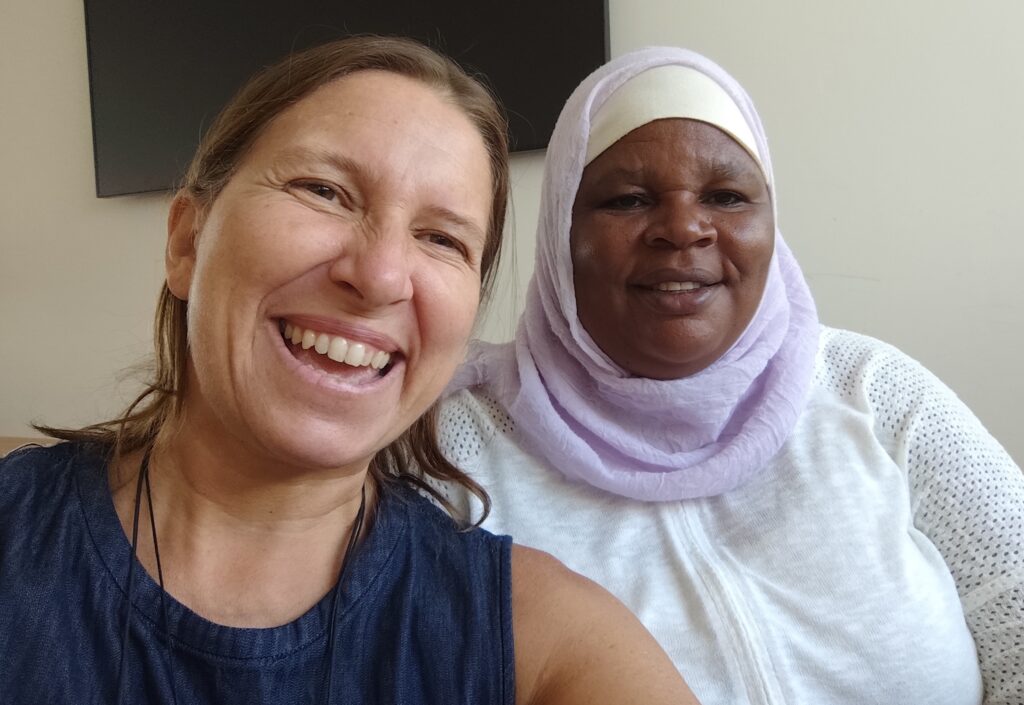
These community-led approaches were brought to life through the experiences of people working alongside fishing communities, including Mercy Wasai Mghanga, vice-president of the African Confederation of Professional Organizations of Artisanal Fisheries (CAOPA). For more than two decades in Kenya, Mercy has worked with women fish workers, community organizations, NGOs and partners (including WWF) to break down the barriers to women’s participation in fisheries. Now, she is leading a programme that helps thousands of women improve their incomes, strengthen their businesses, gain access to leadership roles and secure better livelihoods for themselves and their families.
As one of the most prominent global advocates for artisanal fisheries, Mercy emphasized the need to accelerate the implementation of the SSF Guidelines. For her, the guidelines are not simply a policy framework but a practical tool to recognize the often-overlooked role of fisherwomen and SSF producers across the value chain.
From the SSF Summit to COFI37: Turning dialogue into a call for action
Countries participating in the SSF Summit also spoke strongly about their commitment to advance the implementation of SSF Guidelines through Regional and National Plans of Action (NPoAs). To date, only seven countries have officially developed and launched NPoAs for SSF.
This commitment was carried through to the 37th Session of the Committee on Fisheries (COFI37) later that week, when Tanzania, Ghana, Venezuela, South Africa, Brazil and Mozambique welcomed the creation of the Friends of SSF coalition. The champion countries of this initiative are leading the way with commitments to mobilize financial investments and to democratize fisheries management.
Across the COFI37 sessions, more countries than in previous years took to the floor to voice their support for SSF. As a result of the strong push from SSF organizations and NGOs, SSF also had a dedicated session on the agenda at COFI for the first time.
Ahead of the event, WWF and 12 partner organizations – including ABALOBI, Blue Ventures, CAOPA, the Coalition for Fair Fisheries Arrangements, Fauna & Flora, Fisheries Transparency Initiative, Ocean Outcomes, Oceana, Rise Up for the Ocean, SmartFish AC, and the Swedish Society for Nature Conservation – released a joint statement with recommendations to governments.
WWF’s Robin Davies delivered the third part of the statement at the SSF session, which called for collective action to strengthen fisheries governance, tackle biodiversity loss and build resilient aquatic food systems that support food security, livelihoods and healthy ecosystems. It also urged countries to take concrete actions to secure the rights of SSF. Read a full list of the signatories’ recommendations here.
COFI reaffirmed the vital contribution of SSF to food security and highlighted the need to strengthen co-management. During the discussion, I also heard several countries taking the floor to stress the importance of:
• Respecting Indigenous Peoples’ rights
• Working towards climate resilience
• Increasing social protection for SSF
• Advancing gender equality and youth inclusion in the sector
• Improving data and monitoring
• Providing access to finance.
The framework is in place, but now we need action. Through the SSF Guidelines, countries and decision makers have a pathway to take concrete steps to address the current challenges facing the sector. Strengthening SSF will require a collective effort by fishers and fish workers, governments, civil society organizations and researchers.
But together, it is possible.
